
Are Heated Jackets Bad for You? (Revealed)
Are heated jackets bad for you? No, there’s no scientific proof that heated jackets are bad for your health.
The heating elements are usually made of metal wires or carbon fiber, which generate warmth using electricity. They’re safe to use, especially if you buy from reputable manufacturers.
While heated clothing is generally safe, it still emits a small amount of EMF, so be sure to check with your doctor if you’re pregnant, have a pacemaker, a heart condition, or if the jacket is for a child. For everyone else, they’re a great way to stay warm in the cold.
Look…
Winter’s bite can be harsh, sending many of us searching for innovative ways to stay warm. Heated jackets have surged in popularity, promising cozy comfort at the push of a button.
But beneath that pleasant warmth lie questions many are asking:
- Are heated jackets safe?
- Are heated jackets cancerous?
- Are heated jackets bad for your heart?
- Are heated jackets bad for your health in general?
These concerns are valid.
After all, we’re essentially wearing portable electrical systems close to our bodies. So, let’s separate fact from fiction and examine what science tells us about the safety of heated clothing.

Are Heated Jackets Safe?
This is the fundamental question on most consumers’ minds.
The short answer is yes. Heated jackets from reputable manufacturers are generally safe for most users when used as directed.
These products undergo extensive testing to meet safety standards before reaching the market.
Modern heated jackets incorporate multiple safety features:
- Short-circuit protection systems
- Automatic shut-off systems that prevent overheating
- Waterproof insulation around electrical components
- Temperature regulators that maintain consistent, safe heat levels
Safety incidents are remarkably rare given the millions of heated jackets sold annually. When issues do occur, they typically involve counterfeit products, improper modifications, or failure to follow manufacturer guidelines.
That said, safety depends significantly on choosing quality products from established brands that meet recognized safety certifications.
Budget-friendly knockoffs often cut corners on critical safety features, potentially creating hazards, so you may want to stick to the top rated heated jackets only.
How Heated Jackets Actually Work
First things first:
Heated jackets, heated vests, and other heated clothing items use rechargeable batteries to keep you warm, and the good ones come with safety-certified batteries, so they’re not just effective, they’re considered to be safe to use too.
The Heating Element System
Modern heated jackets use conductive wires or carbon fiber elements strategically placed throughout the garment.
These elements convert electrical energy into heat through resistance, it’s the same principle used in household appliances like toasters and electric blankets.

The heating elements typically concentrate around vital areas: the chest, back, and sometimes pockets. Quality jackets distribute heat evenly to prevent hot spots while maintaining flexibility and comfort.
Power Sources and Controls
The heart of any heated jacket is its power system. Most jackets rely on rechargeable lithium-ion batteries similar to those in your smartphone.
These batteries connect to the jacket via USB ports or proprietary connections and typically provide 3-12 hours of warmth, depending on the temperature setting.
Control systems range from simple on/off switches to sophisticated temperature regulators with multiple heat settings. Higher-end models even offer smartphone connectivity for precise temperature control.
How you use these controls matters significantly for both comfort and safety.
Constantly running your jacket at maximum heat not only drains the battery quickly but could potentially create safety issues we’ll discuss later.
The EMF Concern: Should You Worry?
Alright.
Perhaps the most common safety question about battery powered clothing involves electromagnetic fields (EMF). These invisible energy fields surround anything carrying electrical current, including heated jackets.

EMF Exposure from Heated Clothing
All electrical devices emit some level of electromagnetic radiation. Your phone, microwave, and even household wiring all generate EMF. Heated jackets produce extremely low-frequency (ELF) electromagnetic fields when operating.
Because heated jackets run on low-voltage batteries, the fields they produce are far weaker than international exposure guidelines allow.
In fact, the exposure levels are typically comparable to or lower than many household appliances you use daily.
The proximity factor does make heated jackets different from, say, your microwave. You’re wearing the electrical system directly against your body, which naturally raises questions about prolonged exposure.
So let’s turn to science.
What Science Says About Low-Level EMF
The scientific consensus on low-level EMF exposure remains reassuring.
Reviews of the research on everyday low-frequency EMF exposure from consumer products have found no consistent evidence of health harm.
The World Health Organization (WHO) states that “current evidence does not confirm the existence of any health consequences from exposure to low-level electromagnetic fields”.
International guidelines from the International Commission on Non-Ionizing Radiation Protection (ICNIRP) set public reference levels for low-frequency magnetic fields at 1,000 to 2,000 milligauss (mG), depending on which version of the guidelines a country follows. A low-voltage, battery-powered garment produces only a tiny fraction of that.
For context, standing one foot away from your refrigerator might expose you to 4-10 mG, while using an electric shaver might temporarily expose your face to 100+ mG.
Are Heated Jackets Cancerous?
Now…
This question stems from broader concerns about electromagnetic fields and potential cancer risks. It’s important to address this concern directly with the current scientific understanding.
The American Cancer Society explains that ELF radiation (the type produced by power lines, household wiring, and electrical devices) doesn’t damage DNA the way X-rays do and is generally thought to be safe, although researchers continue to study it.

Studies examining the relationship between EMF exposure and cancer have yielded inconsistent results, with most large-scale research finding no significant correlation.
The International Agency for Research on Cancer (IARC) classifies extremely low-frequency magnetic fields as “possibly carcinogenic” (Group 2B), the same classification given to pickled vegetables.
This classification indicates limited evidence and doesn’t suggest these products are definitively carcinogenic.
When examining heated jackets specifically:
- Exposure is intermittent rather than constant
- The EMF levels produced fall well below thresholds of concern
- Most jackets create non-focused, diffuse fields unlike concentrated sources
In other words, current evidence doesn’t support concerns about cancer risk from heated clothing.
Check out my separate article on the topic: Are Heated Jackets Cancerous?
Next.
Battery Safety: The Real Risk Factor
While EMF concerns often dominate safety discussions, the actual risk from heated jackets typically comes from their power source – the battery.
Lithium-Ion Battery Risks
Lithium-ion batteries store significant energy in a small package, making them ideal for portable applications but introducing certain risks.

The primary concerns include:
- Overheating during charging
- Physical damage leading to shorts
- Exposure to extreme temperatures
- Manufacturing defects or counterfeit batteries
Major brands invest heavily in safety features like overcharge protection, temperature monitoring, and short-circuit prevention.
These systems automatically cut power if unsafe conditions are detected.
Best Practices for Battery Safety
Following proper battery handling procedures practically eliminates risk:
- Use only the manufacturer’s recommended charger
- Avoid charging overnight or unattended
- Inspect batteries regularly for damage or swelling
- Don’t expose batteries to extreme heat or cold
- Remove batteries when storing jackets long-term
Most importantly, purchase heated jackets from reputable manufacturers who comply with safety certifications and have rare incidents of product malfunctions.
Are Heated Jackets Bad for Your Heart?
This question deserves particular attention, as the heart is sensitive to electrical activity.
For most healthy individuals, heated jackets pose no risk to cardiovascular health. The low-level electrical systems in these garments operate at voltages and frequencies too weak to interfere with natural heart rhythm.
However, there are important considerations for specific groups:
Pacemakers and Implanted Cardiac Devices
Can you wear heated jackets or vests with a pacemaker?
People with implanted cardiac devices should approach heated jackets and vests with caution.

While modern medical devices include shielding against electromagnetic interference, the proximity of heating elements to the chest area warrants discussion with a healthcare provider.
The American Heart Association recommends keeping cell phones at least 6 inches away from pacemakers and ICDs, and cardiologists generally advise keeping other electronic devices that generate magnetic fields several inches away too. Applied to heated clothing, that means keeping chest heating panels away from the implant.
Some heated jackets let you control heat zones individually, so you can switch off the chest panels and use only the back.
Existing Cardiovascular Conditions
For people with heart conditions like arrhythmias or heart failure, staying warm matters, because cold exposure adds strain on the cardiovascular system.
Gentle warmth can improve circulation and reduce the cardiovascular strain of cold exposure. However, consultation with a cardiologist is recommended, as individual needs vary.
The American Heart Association warns that cold weather can put extra strain on the heart, because it narrows blood vessels and raises blood pressure.
Potential Health Benefits of Heated Jackets
While we’re examining potential risks, heated jackets actually offer several health benefits worth considering.
Improved Circulation and Pain Relief
For people with circulatory issues, Raynaud’s syndrome, or arthritis, controlled heat can be therapeutic.
The gentle, consistent warmth from battery powered clothing may help:
- Reduce joint stiffness and arthritis pain
- Dilate blood vessels, improving circulation
- Relax tense muscles, particularly in the back and shoulders
Heat therapy is a well-established way to ease stiff joints and sore muscles, and heated garments let you get that benefit while staying active.
Pretty awesome.
Cold Weather Safety
In extreme environments, heated jackets offer more than comfort – they can be safety devices.
Construction workers, outdoor photographers, security personnel, and others who must remain stationary in cold conditions face genuine hypothermia risks.

Keeping your core warm in sub-freezing conditions lowers the risk of cold stress and hypothermia, and heated garments help do that without piling on bulky layers.
And who is this product possibly NOT for?
Specific Health Considerations and Contraindications
The truth is…
Despite their general safety, heated jackets aren’t appropriate for everyone.
Several specific health conditions warrant caution or consultation with healthcare providers.
Pregnancy Factor
Pregnant women should approach heated jackets with particular care.
While localized heat can provide comfort for pregnancy-related back pain, excessive abdominal heat is not recommended, especially during the first trimester.
If you’re pregnant, it’s sensible to:
- Use only low heat settings
- Consult with your obstetrician before use
- Take regular breaks instead of using it continuously
- Avoid heating elements that cover the abdomen
Remember to always consult with your doctor if you’re unsure about something.
Medical Implants and Devices
This is something that we already talked about earlier.
If you have electronic medical implants like pacemakers or insulin pumps, the electrical systems in heated jackets could potentially interfere with these devices.
While modern medical implants are designed with significant electromagnetic interference protection, the proximity of a heated jacket’s electrical system warrants caution.
The American Heart Association recommends keeping cell phones at least 6 inches away from pacemakers and ICDs, and the same caution makes sense for any electronics worn close to the chest.
Since heated jackets typically have elements running through the chest area, this guidance may apply.
Always consult your cardiologist or device specialist before using heated gear with any implanted medical device in your body.
Sensory Impairments
Folks with reduced temperature sensitivity due to neuropathy, diabetes, or other conditions face unique risks with heated garments.
Without proper sensation, they might not detect if a jacket becomes uncomfortably hot, potentially leading to burns or skin irritation.
If you have sensory impairments:
- Use only the lowest heat settings
- Inspect your skin regularly for signs of irritation
- Choose jackets with automatic temperature regulation
- Have someone else check the jacket temperature periodically
These guidelines should help.
Choosing a Safe Heated Jacket
Not all heated jackets are created equal.
Safety certifications, materials, and design all play crucial roles in determining how safe a particular model might be.

Safety Certifications to Look For
Reputable manufacturers submit their products for independent safety testing. Look for jackets with certifications from recognized organizations like:
- CE (European Conformity)
- UL (Underwriters Laboratories)
- FCC (Federal Communications Commission)
- RoHS (Restriction of Hazardous Substances)
These certifications indicate the product has been tested for electrical safety, electromagnetic interference, and hazardous materials compliance.
Material Quality Considerations
The materials surrounding heating elements significantly impact both safety and performance.
High-quality heated jackets use:
- Flame-resistant fabrics near heating elements
- Proper insulation around all electrical components
- Waterproof protection for electrical connections
- Breathable materials to prevent overheating
Cheap products often compromise on these safety features, using flammable synthetic materials too close to heating elements or inadequate waterproofing around electrical components.
Signs of Poor Quality to Avoid
When shopping for heated jackets, watch for these red flags:
- Missing safety certifications
- Poor or limited user reviews
- No clear warranty or return policy
- Unusually low prices compared to established brands
- Vague product descriptions lacking technical specifications
You can check out my list of the best electric powered products here.
Proper Usage Guidelines
Even the safest heated jacket can pose risks if used incorrectly.
Following manufacturer recommendations not only extends your jacket’s life but ensures your safety.
Temperature Management
Most heated jackets offer multiple temperature settings—typically low, medium, and high. While it’s tempting to crank the heat on frigid days, this approach has drawbacks:
- Significantly reduced battery life
- Unnecessary energy consumption
- Potential overheating of the system
- Possible skin irritation from prolonged high heat
Start on the lowest setting and increase only if needed. Most users find the medium setting provides adequate warmth for all but the most extreme conditions.
Maintenance and Care
Proper maintenance is essential for both safety and longevity:
- Always follow manufacturer cleaning instructions
- Remove batteries before washing
- Allow jackets to dry completely before reconnecting electrical components
- Store in cool, dry conditions when not in use
- Inspect wiring and connections before each season
Never attempt DIY repairs on heating elements or electrical components.
If your jacket malfunctions, contact the manufacturer or an authorized repair center.
Comparing Heated Jackets to Alternative Options
Now…
To truly evaluate whether heated jackets are “bad for you,” it helps to compare them with alternative warming methods, each with its own safety profile.
| Warming Method | Energy Source | Proximity to Body | Duration | Safety Considerations |
|---|---|---|---|---|
| Heated Jacket | Lithium battery | Direct contact | 3-12 hrs | EMF exposure, battery safety |
| Traditional Layers | Body heat | Direct contact | Unlimited | Potential overheating, restricted movement |
| Chemical Heat Packs | Chemical reaction | Direct contact | 4-10 hrs | Skin irritation, disposal issues |
| Heated Vehicles | Fossil fuels/electricity | Surrounding | Limited to vehicle | Carbon monoxide risk (combustion engines) |
This comparison reveals that all warming methods carry some form of trade-off.
Heated jackets offer superior mobility and targeted warmth compared to bulky traditional layers, with safety profiles comparable to or better than alternatives when used properly.
The Future of Heated Clothing Technology
The heated apparel industry continues to evolve, with many innovations specifically addressing safety concerns.
Emerging technologies include:
- Improved waterproofing and durability standards
- Graphene heating elements that eliminate wires completely
- Advanced battery management systems with multiple safety features
- Smart temperature regulation that adapts to body heat and external conditions
These advancements suggest tomorrow’s heated jackets will offer even better safety profiles while providing superior performance and comfort.
Are Heated Jackets Bad for You? (Final Thoughts)
Look…
After thorough examination of the evidence, heated jackets appear to be quite safe for most users when purchased from reputable manufacturers and used according to guidelines.
The documented risks are minimal and largely avoidable through proper selection and use.
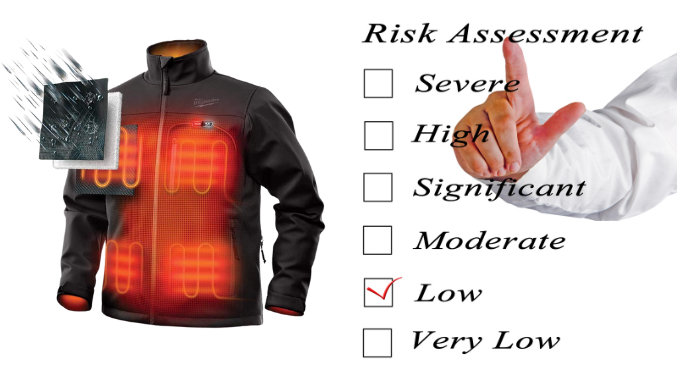
For specific concerns:
- Are heated jackets safe? Yes, if it’s good quality and used correctly.
- Are heated jackets cancerous? Current scientific evidence does not support cancer risks from the low EMF levels produced.
- Are heated jackets bad for your heart? For most healthy individuals, no. Those with cardiac implants should consult medical professionals and choose models with appropriate element placement.
The potential benefits, such as improved comfort, mobility in cold conditions, and therapeutic warmth for certain health conditions, often outweigh the minimal risks for most consumers.
Unlike many other consumer products, electric powered products have an impressive safety record with remarkably few incidents considering their complex electrical nature.
That said, certain individuals should exercise heightened caution: pregnant women, those with electronic medical implants, and people with sensory impairments should consult healthcare providers before using heated garments.
Ultimately, your decision about heated jackets should balance your personal comfort needs, specific health considerations, and risk tolerance.
Like many modern conveniences, these innovative garments offer significant benefits with manageable and mostly avoidable risks.
Now, I’d like to hear from YOU:
Are heated jackets bad for your health, in your opinion?
About Author

Kate Janelle
Photography enthusiast and creator at Digital World Beauty. My main objective is to create a valuable resource for you with honest tech gear reviews, course recommendations, and how-to tutorials.